What To Wear Snorkelling On The Gold Coast: Wetsuit Or Rashie
Sea temperature on the Gold Coast swings from about 22 degrees in winter to about 26 to 27 in summer, and the answer to wetsuit or rashie depends on which operator you book, because most of them supply the wetsuit for you.
Short answer
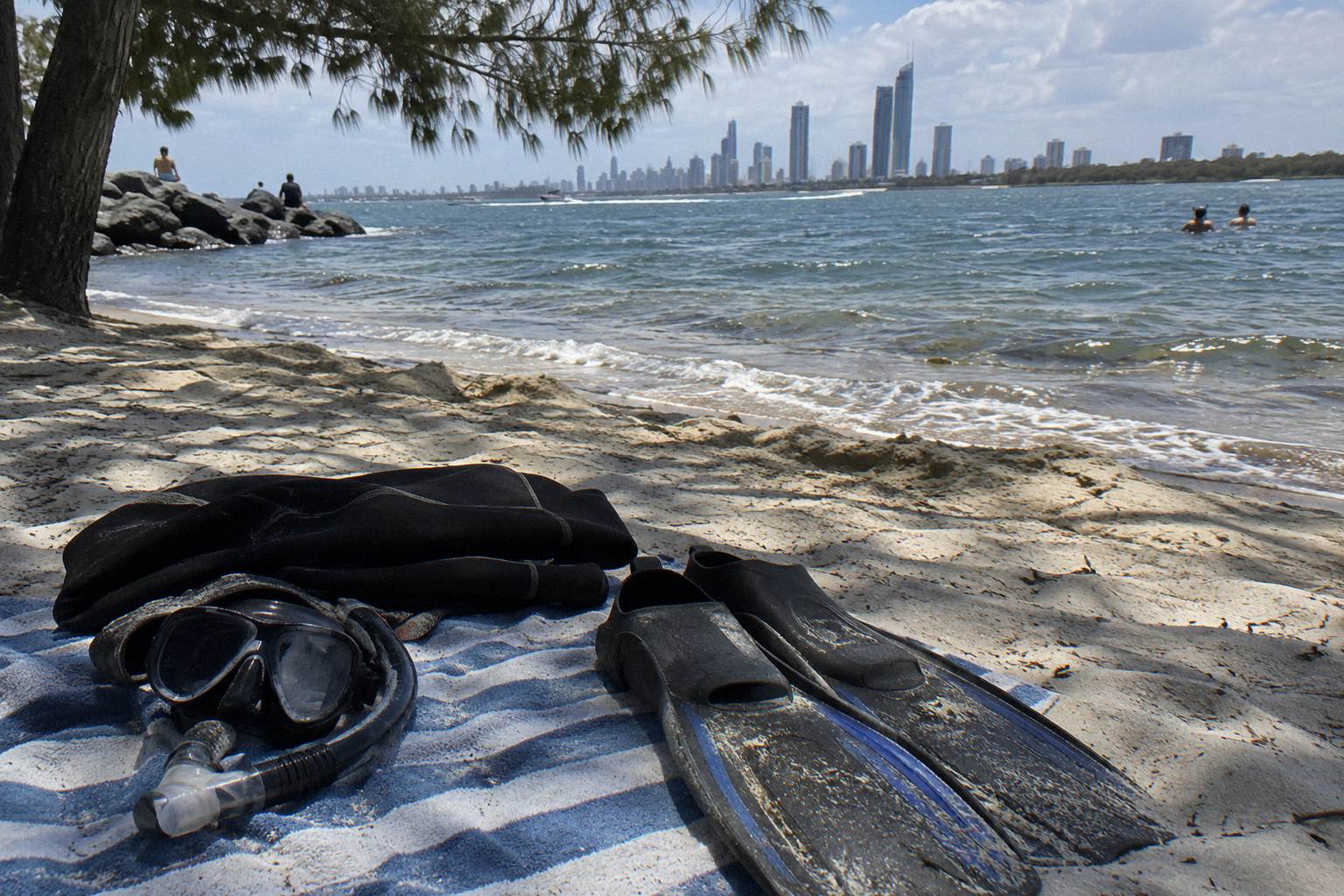
Wear swimmers and bring a towel, hat, sunglasses, reef-safe sunscreen, water and a camera. Most covered operators supply the wetsuit, mask, snorkel and fins as part of the tour price: Blue Seafaris and Watersports Guru include them outright. Typical sea temperatures run about 22 degrees in winter and about 26 to 27 in summer.
The single most useful thing to know about clothing on a Gold Coast snorkel tour is that most of the decisions have already been made for you. The covered operators publish their own kit lists, and those lists differ from company to company: Blue Seafaris tells its guests to bring a camera, water, sunglasses, hat and reef-safe sunscreen, while Watersports Guru adds snacks with one very specific exception, no bananas, and an optional motion-sickness remedy. The wetsuit question, the one most visitors ask first, resolves itself in most cases because the operator hands you one on the jetty.
That said, showing up in the wrong things can still colour the morning. Turn up without swimmers on a kayak trip that involves a short bushwalk to the snorkel site and you will be walking it in street clothes. Turn up in a cotton t-shirt for a three-hour paddle and you will spend the second half of it cold in the wind. This guide works through what to wear and what to bring, operator by operator, using only what each company actually states, because a blanket claim about "Gold Coast snorkelling" would be wrong for at least two of the seven tours covered here.
What Should You Wear Snorkelling On The Gold Coast?
The base layer is swimmers, worn under whatever the day demands, and the answer to everything else splits into three parts: what the operator supplies, what the operator tells you to bring, and what the weather and water temperature push you towards. On the covered tours the first two parts are documented, and this guide lists them exactly as each operator states them. The third part is where your own judgement comes in, guided by typical sea temperatures rather than promises. Nothing in the operators' lists requires special equipment from home, and nobody asks you to buy a wetsuit before you travel.
Start with the base. Every operator's list that mentions clothing at all names swimmers, which is the local word for whatever you would swim in at a pool. Over that, on the water, the kayak tours run a different clothing logic to the boat tours. Kayakers get wet from spray and paddle drip and then sit in the wind between the paddle and the snorkel site, so a rash shirt or a quick-dry layer over swimmers earns its place on those mornings even in summer. Boat snorkellers spend the transit wrapped in the supplied wetsuit or sitting in the sun, so the hat, sunglasses and sunscreen matter more than the layering.
Footwear barely rates a mention, and that is informative. None of the covered operators specifies footwear, and the reason is visible in how the trips run: the Wave Break Island kayak trips include a short bushwalk from the beach to the snorkel site, which suggests something that can walk on sand and short grass, while the Cook Island boat trips board from a jetty and finish in fins. If in doubt, a pair of reef shoes or old sandals that can get wet covers both cases without any specialist purchase.
Here is the honest summary of what each covered operator tells its guests, from the operators' own pages and listings:
| Operator | Wetsuit and gear | What they tell you to bring |
|---|---|---|
| Seaway Kayaking Tours (Wave Break Island) | Life jackets worn in the water; no experience needed | Swimmers and whatever the day needs; hot drinks listed in winter, June to August |
| AKA Adventures (Wave Break Island) | Life jackets worn at all times on the water | Swimmers for the kayak and snorkel; light continental breakfast (beverages not included) |
| Queensland Scuba Diving Company (Wave Break Island boat) | No experience necessary, full instruction provided; inclusions per the listing | Clothing list not stated; meet at the dive store or take hotel pickup |
| Cooly Eco Adventures (Cook Island) | Gear inclusions not stated | Bring list not stated; confirm on the listing |
| Blue Seafaris (Cook Island) | Premium mask, snorkel, fins, wetsuit and a marine biologist guide included | Camera, water, sunglasses, hat, reef-safe sunscreen; waiver required |
| Watersports Guru (Cook Island) | Snorkel equipment, wetsuit, mask, fins, lifejacket, flotation device, instructor and in-water guide included | Sunscreen, hat, swimmers, water bottle, snacks (no bananas), motion-sickness remedy optional |
| See Moreton (Tangalooma Wrecks cruise) | Meal included; gear inclusions per the listing | Clothing list not stated; check the pickup point and listing |
One pattern worth noticing: the two Cook Island operators that publish full gear lists both include the wetsuit outright. That is not an accident of formatting, it reflects how those tours work. Watersports Guru puts its groups in the water for 60 to 90 minutes at a stretch, and Blue Seafaris runs 120 minutes with a marine biologist guide, so both companies treat the wetsuit as standard equipment rather than an upsell. The Wave Break Island trips are shorter water sessions inside the sheltered Broadwater, where life jackets and the paddle itself do more of the comfort work.
- Marine Biologist Guide, Cook IslandUS$93.64
- Cook Island Turtles From ChinderahUS$116.52
- Small Boat, Fingal Head TurtlesUS$120.59
Do I Need A Wetsuit To Snorkel On The Gold Coast?
In most cases, no, you don't need to bring your own wetsuit to snorkel on the Gold Coast, because the tour operators supply one for you: Blue Seafaris includes a wetsuit, Watersports Guru includes a wetsuit, and the kayak tours provide life jackets instead. Typical sea temperatures on the Gold Coast run about 22 degrees in winter and about 26 to 27 in summer, which is warm enough that many locals snorkel in swimmers and a rash shirt for short sessions in the warmer months. Whether you personally want the wetsuit depends on the season, how long you will be in the water, and how you feel the cold.
The temperature picture comes from a secondary source with typical monthly averages, so treat it as a guide rather than a forecast. The monthly pattern looks like this:
| Month | Typical average sea temperature |
|---|---|
| January | About 26.2 °C |
| February | About 27.2 °C |
| March | About 26.4 °C |
| April | About 25.6 °C |
| May | About 24.2 °C |
| June | About 22.8 °C |
| July | About 21.7 °C |
| August | About 21.7 °C |
| September | About 22.1 °C |
| October | About 22.8 °C |
| November | About 24.6 °C |
| December | About 25.5 °C |
The spread across the year is real but moderate: the typical minimum sits around 20.4 to 20.6 degrees in the July to October window, and the typical maximum around 28.2 in February. In February, a wetsuit can feel like a sauna suit; in July, after twenty minutes of floating, most people are glad of one. The monthly breakdown is unpacked in more detail in the guide to Gold Coast water temperature by month, which is worth a look if your travel dates are flexible and you run cold.
No source gives wetsuit thickness advice for this coast, and none is needed for a guided tour, because the operator chooses the suit. What the sources do give is the supply picture: Blue Seafaris includes a premium wetsuit, Watersports Guru includes a wetsuit, and of the operators not offered on this site, Tweed Turtle Tours charges A$10 hire and Snorkel with the Turtles bundles gear hire at A$20 including the wetsuit, both quoted in the operators' own page dollars. Seaway includes wetsuits June to August and AKA offers them on request in winter.
The choice between wetsuit and rashie, then, is mostly not yours to make on the covered tours. A rash shirt earns its place in your bag as a sun layer for the boat transit and the paddle out, and as a backup if you run warm and want to snorkel without the suit on a February morning. Beyond that, pack swimmers and a towel and let the operator close the gap.
What Do The Gold Coast Snorkel Operators Include?
Inclusions run from everything to almost nothing: Blue Seafaris and Watersports Guru both include the wetsuit, mask, snorkel, fins and flotation gear, while the Wave Break Island kayak tours supply life jackets and leave the rest to their listings, and Cooly Eco Adventures publishes no gear list at all. The honest way to plan is to read the column for the tour you are actually booking, because a figure stated for one operator is never true for another. Where an inclusion is not stated, it is not stated, and the listing is the place to confirm.
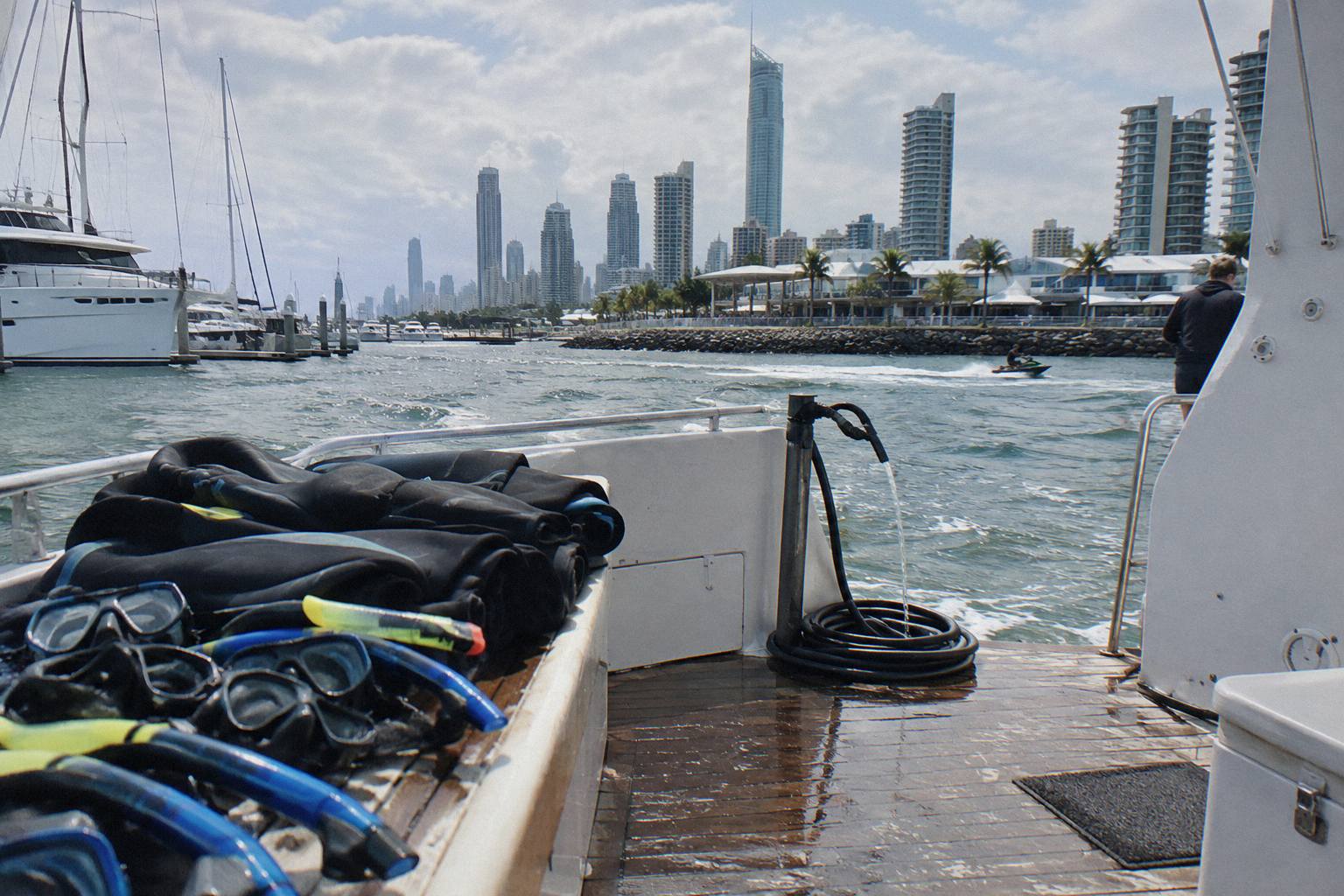
Watersports Guru's list is the most complete on the tours covered here: snorkel equipment, wetsuit, mask, fins, lifejacket, flotation device, instructor and in-water guide, all included in the tour price. That reflects the shape of the trip, a 15-minute boat ride from Fingal Head to Cook Island, shallow water of 3 to 6 metres, and 60 to 90 minutes in the water with a guide beside you. For a first-timer, that list answers nearly every what-do-I-bring anxiety in one line.
Blue Seafaris matches it with its own emphasis: premium mask, snorkel, fins and wetsuit, plus a marine biologist guide, on a 120-minute tour that the operator runs daily subject to weather, tides and sea conditions. The company's own page asks guests to arrive 30 minutes before departure because the boat cannot wait, and requires a waiver from every participant, so the clothing timeline starts at the jetty rather than at the water.
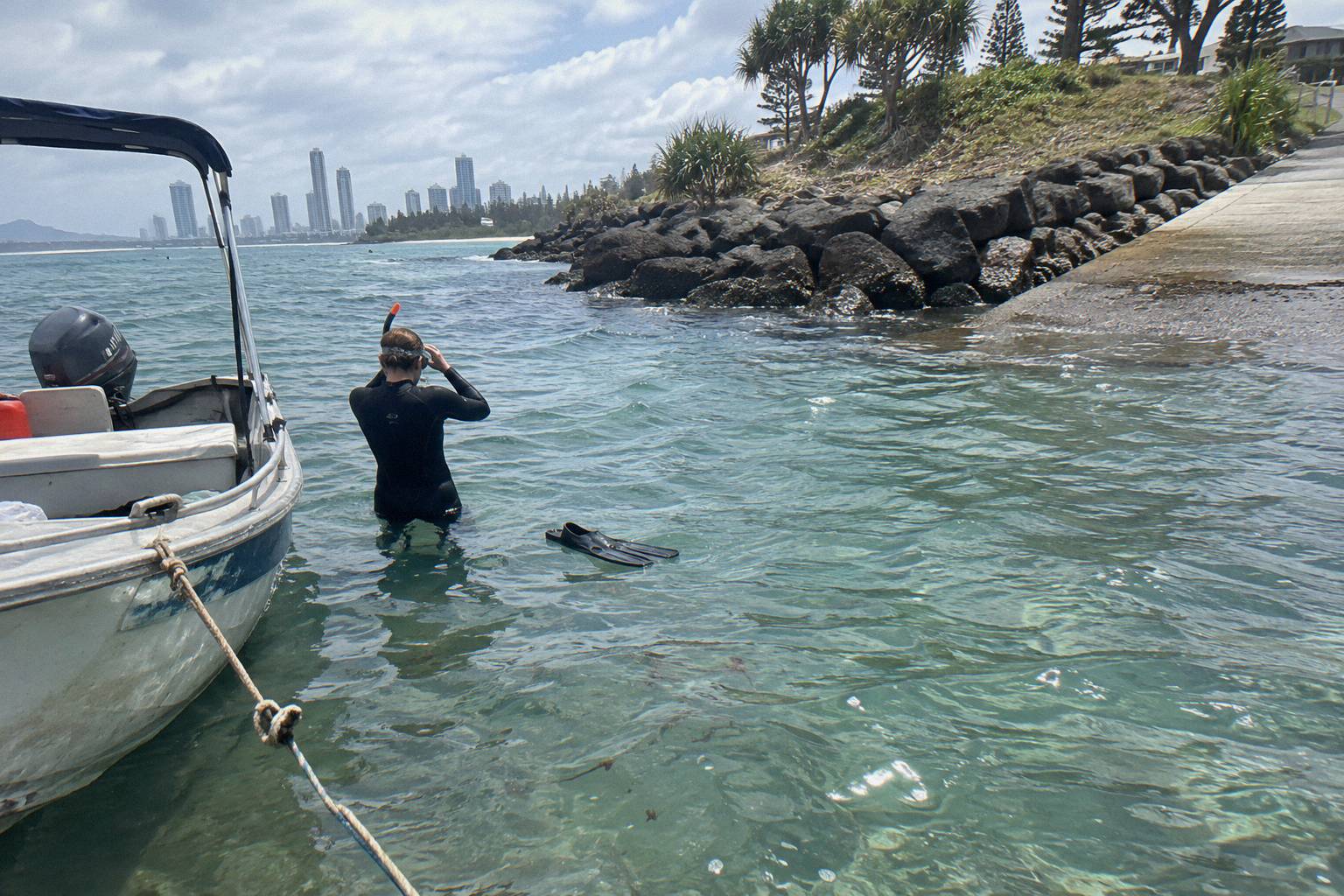
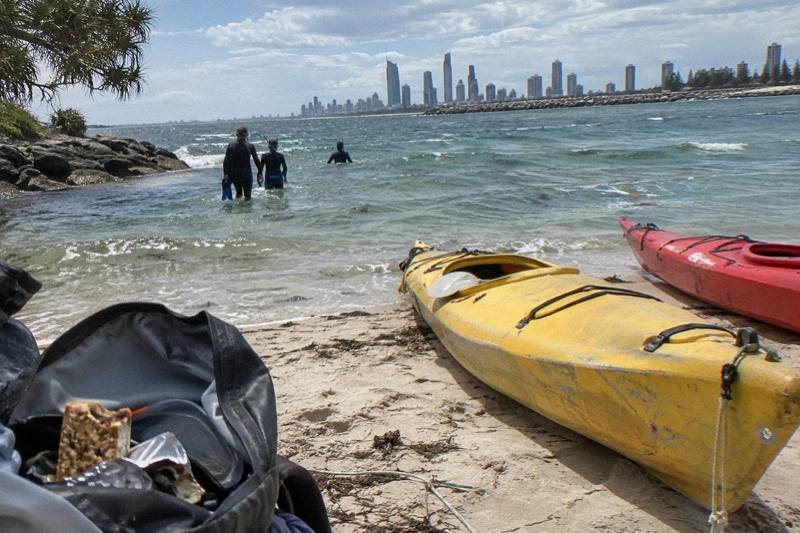
The kayak side works differently. Seaway Kayaking Tours runs a paddle of about 30 minutes from Biggera Waters to Wave Break Island, then a short bushwalk to the sheltered snorkel site, a man-made rock wall that the booking pages describe as now functioning as a reef. Life jackets are worn in the water and no swimming, kayaking or snorkelling experience is needed, so the supplied-gear story is flotation-first. AKA Adventures follows the same logic, with life jackets worn at all times on the water and a light continental breakfast (beverages not included) per its booking page.
There is a real decision here and it is worth making consciously. If you want to travel with nothing but swimmers and a towel, the include-everything tours do that for you. If you are happy wearing a life jacket in sheltered water and want the shorter, cheaper session, the kayak trips ask less of your bag and more of your arms. The site's own comparison of kayak and snorkel options on the Gold Coast walks through that trade-off in full.
Clothing also interacts with eligibility in ways people miss. A wetsuit adds buoyancy but it does not make you a swimmer, and the operators are explicit that their rules are swimming rules, not clothing rules.
What Should You Bring On The Day?
For the day itself, pack swimmers, a towel, a hat, sunglasses, reef-safe sunscreen, drinking water, and a camera for capturing photos. Watersports Guru also recommends snacks without bananas, plus an optional motion-sickness remedy for anyone who wants one on the day. Every item on that list comes from an operator's own page, not from generic packing folklore, and the overlap between the three published lists is exactly those shared basics. Reef-safe sunscreen is the operators' advice rather than a regulation, but when three independent companies all name it, the advice has earned its place in your bag.
The full published lists, attributed:
| Source | Bring list as the operator states it |
|---|---|
| Blue Seafaris | Camera, water, sunglasses, hat, reef-safe sunscreen |
| Watersports Guru | Sunscreen, hat, swimmers, water bottle, snacks (no bananas), motion-sickness remedy optional |
| Tweed Turtle Tours (not offered here) | Swimmers, towel, reef-safe sunscreen, hat, sunglasses, camera |
A few practical notes sit behind the list. The hat and sunglasses are for the boat, not the water; on the Cook Island trips the transit is 15 minutes of open sunlight, and on the Moreton cruise it is hours. The camera matters more than people expect on the turtle tours because the water is shallow and clear, though no covered operator promises what you will see, and the honest framing is that sightings are overwhelmingly common but never guaranteed. Watersports Guru's banana ban is the only food rule any operator states, and while the company does not explain it on the page, the practical takeaway is simply to pack any other snack.
The motion-sickness remedy deserves its own sentence. Watersports Guru lists it as optional, which is the correct word, but if you know your stomach and you are booked on any boat trip, optional is not the same as unnecessary. The Cook Island crossing is short, and the Moreton Island cruise is a full day on the water, so the remedy earns its place in proportion to the length of the boat ride. For the full-day option, the guide to the Moreton Island snorkelling day trip covers what an 11-hour itinerary means for your packing.
What you do not need to bring is just as useful. No covered operator asks for snorkel gear from home, none names a gear brand, and none gives fin-size or wetsuit-thickness guidance, because none of it is needed when the gear comes with the tour. Footwear is unspecified everywhere, a dry bag is not mentioned anywhere, and the one thing every operator does state is arrival time, which is a kit problem too: you cannot put a wetsuit on calmly if you arrive at the jetty as the boat is loading. Blue Seafaris says 30 minutes, its booking page says 15, and the safe read is the earlier of the two.
Snorkel Gear For The Gold Coast: Hire, Buy Or Bring
For the covered tours the hire-versus-buy question mostly disappears, because Blue Seafaris and Watersports Guru include mask, snorkel, fins and wetsuit in the price, and the kayak tours supply life jackets; buying gear before you travel buys you very little. The only hire fees on the local market belong to operators this site does not offer: Tweed Turtle Tours charges A$10 wetsuit hire, and Snorkel with the Turtles charges A$20 gear hire including mask, fins, snorkel and wetsuit fitted at the boat, both in the operators' own page dollars. Neither is a booking option here, and neither figure applies to the covered tours.
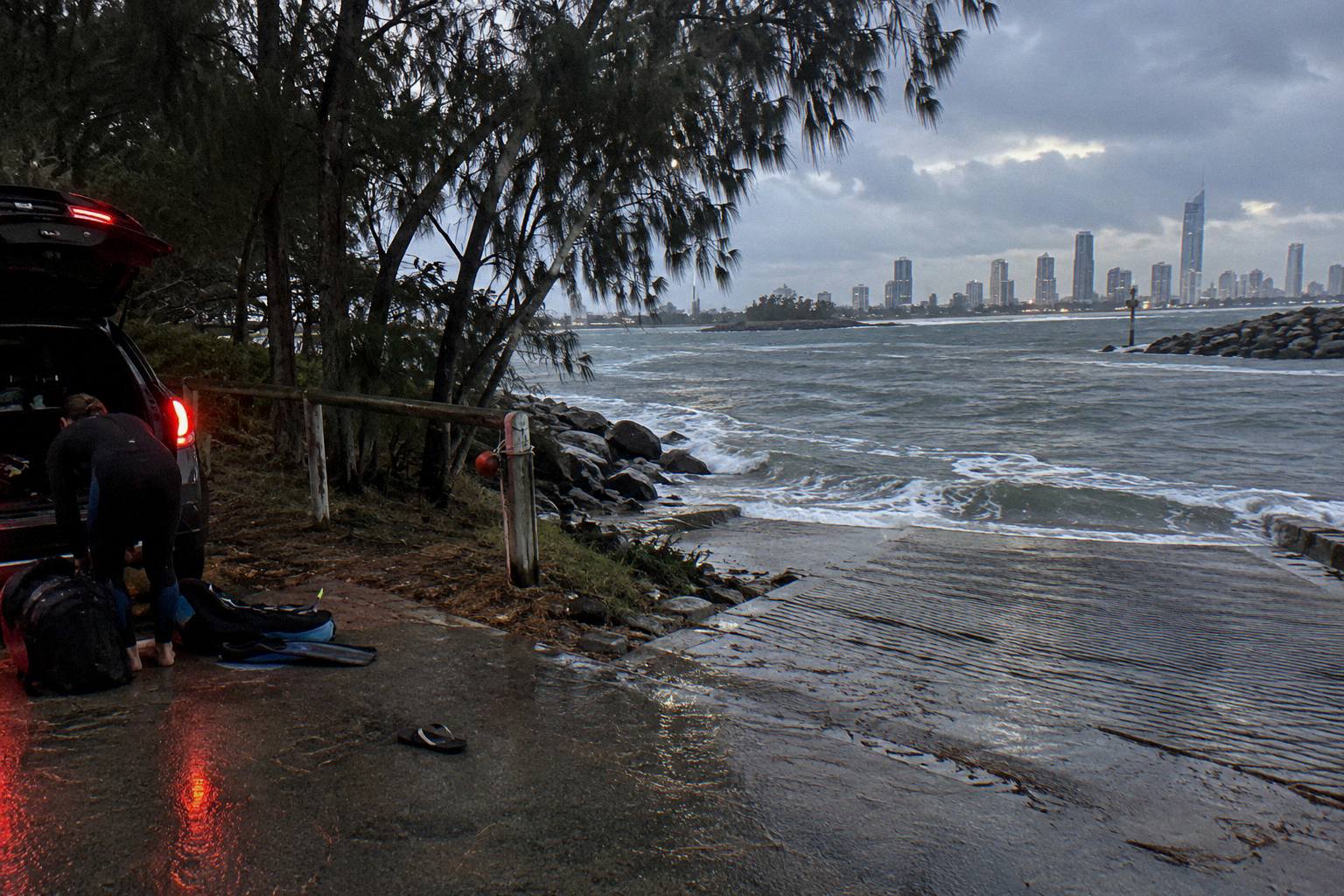
The bring-your-own case is narrow but real. If you already own a mask that fits your face, bring it: a leaking mask is the single most common reason a first snorkel goes badly, and a familiar mask eliminates that variable entirely. Fins and wetsuits are bulkier and less personal, and since two of the covered operators supply premium versions, the case for flying with them is weak. The site's primer for first-time snorkelling on the Gold Coast covers the fit-and-comfort basics that matter more than brand or price.
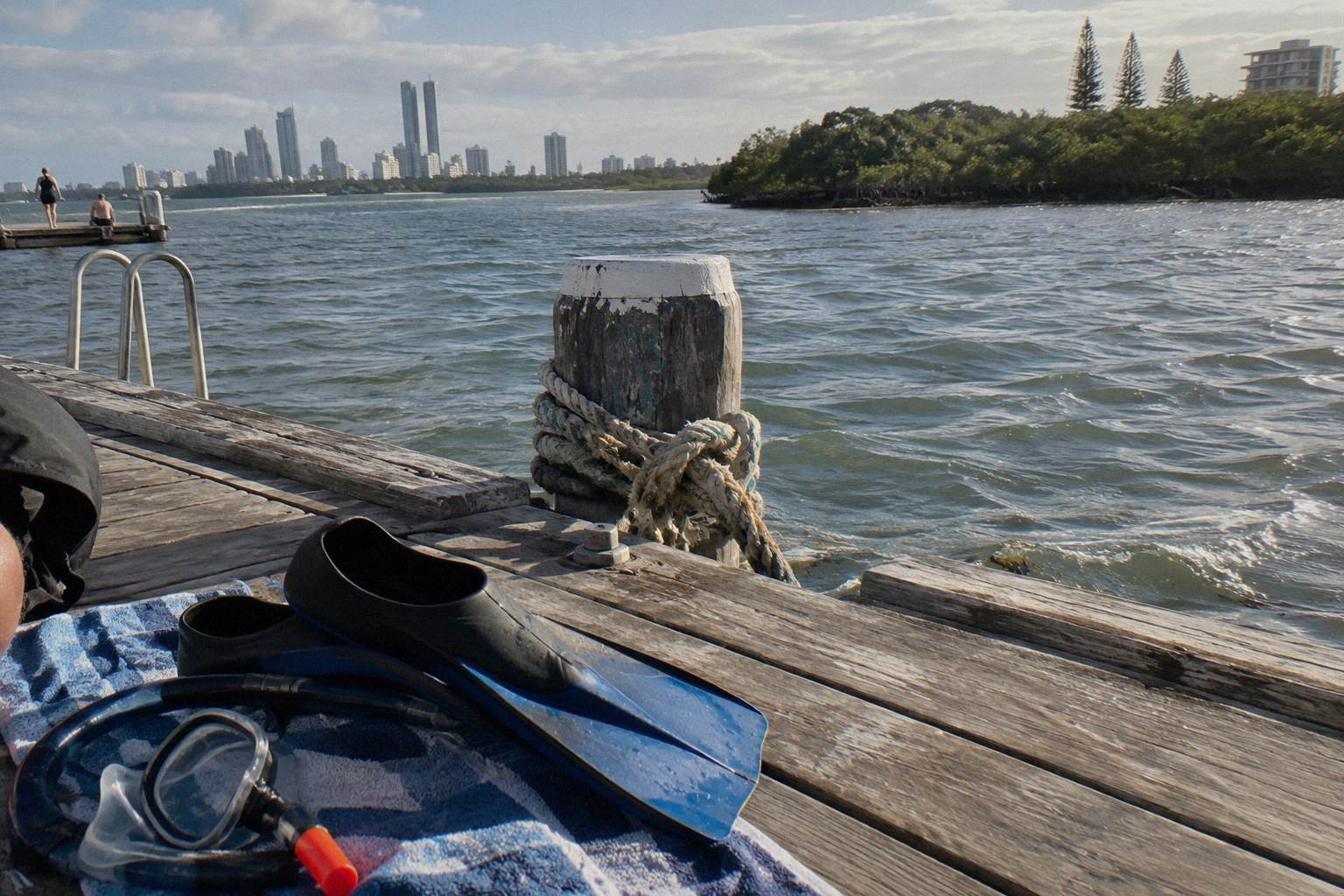
Buying locally is an option the sources say almost nothing about, so this guide says almost nothing too. No operator recommends a shop, no brand appears anywhere in the verified pages, and no rental stand-alone price exists for the Gold Coast beyond the two hire fees already named. The one related fact is that GoPro hire exists at Snorkel with the Turtles, an operator not offered here, so camera rental on the covered tours is a question for the listing rather than a documented feature.
The three Cook Island turtle tours make a neat comparison for gear planning, because their swimming requirements, which shape what you wear in the water, differ sharply:
| Operator | Swim requirement | Flotation | Wetsuit |
|---|---|---|---|
| Cooly Eco Adventures | Must swim 50 metres unassisted | Life jackets not worn in the water | Not stated |
| Blue Seafaris | Confident in open water, able to swim 200 metres unassisted | No flotation jackets for non-swimmers; pool noodles offered | Included |
| Watersports Guru | Must swim the length of a 100 m pool | Lifejacket and flotation device included | Included |
That table is why this guide refuses a single answer to "what should I wear in the water". On Cooly Eco Adventures you are your own flotation, so comfort in swimmers and a good mask matter most. At Blue Seafaris the pool noodle is the fallback and the wetsuit is standard. At Watersports Guru a lifejacket is listed among the inclusions, which changes what the wetsuit is for: warmth and sun cover rather than buoyancy. One kit list cannot cover all three, and any article that claims otherwise is guessing.
For swimmers who cannot meet those distances, the Wave Break Island tours are the answer rather than the clothing rack. Seaway Kayaking Tours takes guests from age 4, wants no swimming, kayaking or snorkelling experience, and puts life jackets on everyone in the water. The full picture, including AKA Adventures' similar policy, is in the site's answer to whether non-swimmers can snorkel on the Gold Coast.
What About Stingers, Sunscreen And Sun Protection?
Reef-safe sunscreen is the operators' advice on the Gold Coast, bluebottles occur Australia wide, and the dangerous tropical stingers, box jellyfish and irukandji, are stated by Surf Life Saving Queensland for waters well north of this coast, so the local clothing conversation is sun first and stingers a distant second. SLSQ gives the box jellyfish range as north of Agnes Water and irukandji north of southern Fraser Island, and neither is stated for the Gold Coast, in either direction. What that means for clothing is a rash shirt or wetsuit for shoulder coverage and a conscientious sunscreen routine for everything the suit does not cover.
The sun is the unglamorous headline. A snorkeller floating face-up in Queensland or northern New South Wales sun collects hours of exposure on the back of the legs, the neck and the ears, exactly the spots a wetsuit leaves bare. This is why every published operator list leads with sunscreen, hat and sunglasses, and why the rashie-versus-wetsuit debate is really a sun-coverage debate half the time. The site's deeper look at stingers and bluebottles on the Gold Coast covers the first-aid details, including SLSQ's bluebottle protocol of removing tentacles, rinsing with sea water and hot water immersion for about 20 minutes.
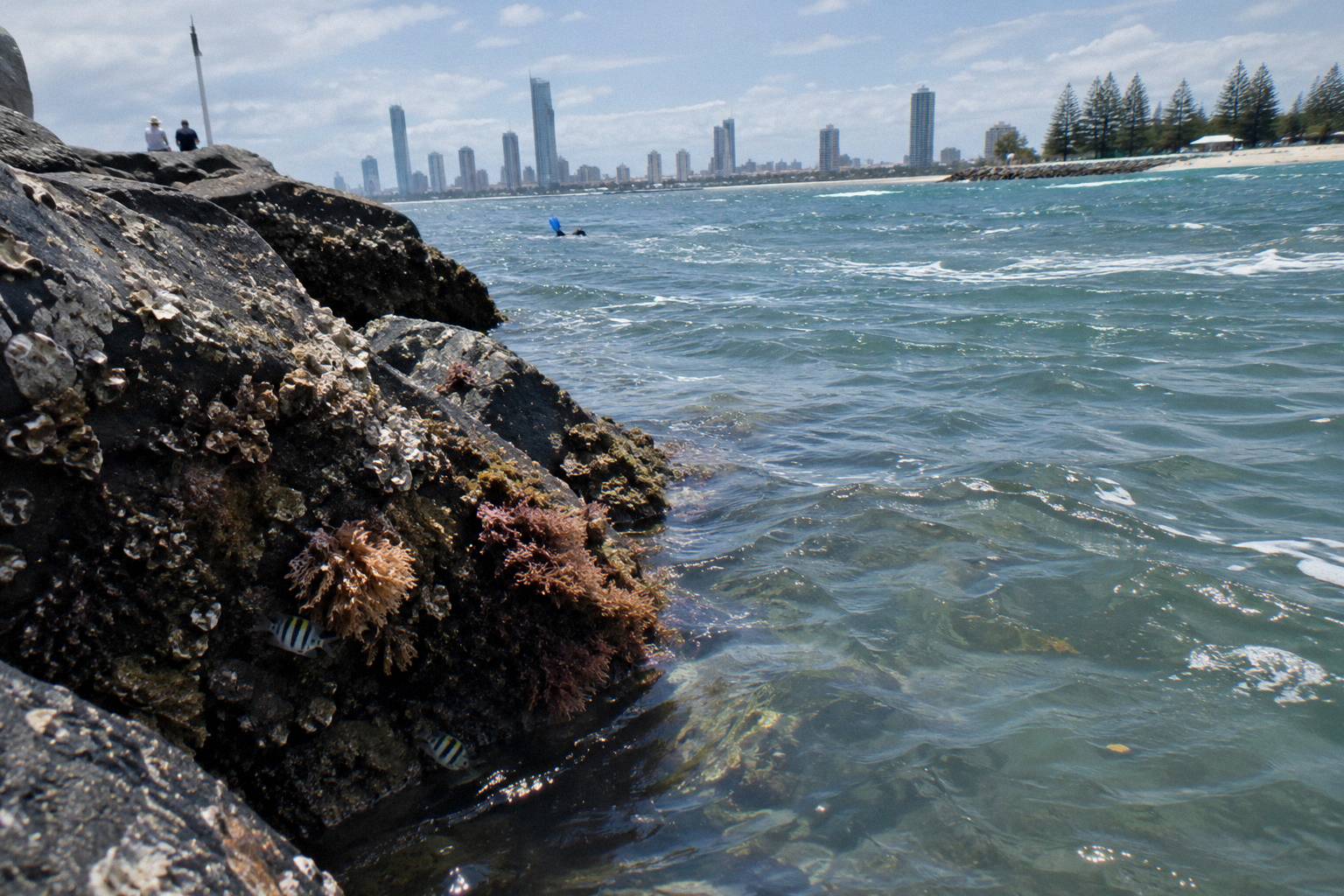
For authoritative marine-safety reading straight from the source, SLSQ's own marine stingers safety page sets out the ranges and the first aid, and it is the page the local advice should always trace back to. On the shark question, the sources say only what they say: Queensland's SharkSmart program lists shark control equipment at Gold Coast beaches including Burleigh, Kirra and Palm Beach, Cook Island and Wave Break Island are not shark-control beaches, and NSW DPI lists the grey nurse shark among threatened species in the Cook Island reserve. No covered operator promises anything about sharks in either direction, and no source here supports a "safe" or "not safe" verdict, so the honest line is that the operator briefs the group and the gear list is the gear list.
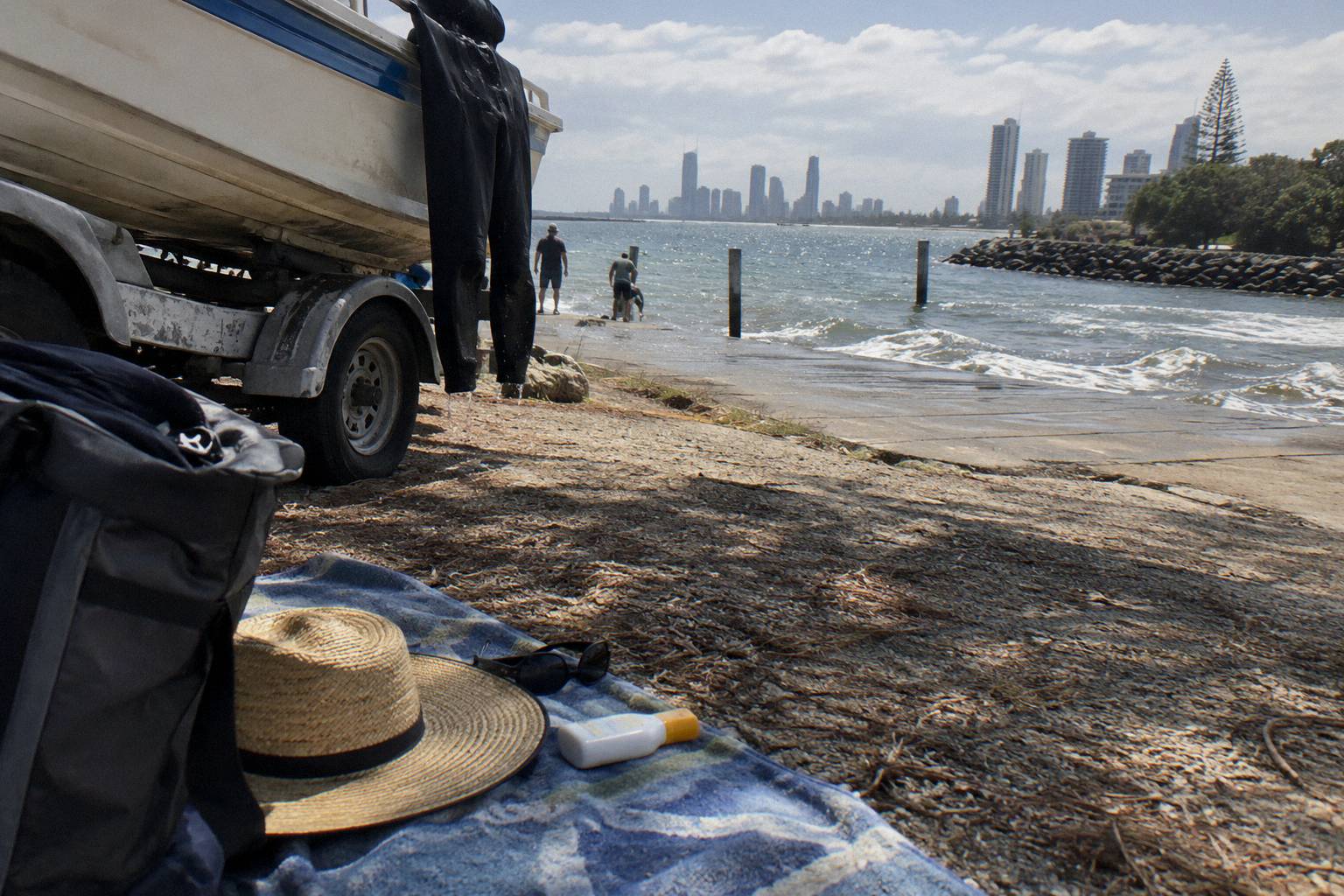
One quiet clothing detail sits in the winter list. Seaway Kayaking Tours notes hot drinks for its June to August trips, which is the operators' own way of saying the cold part of a winter kayak trip is the air, not the water. A dry layer for afterwards, a beanie for the paddle back and the operator's hot drink do more for winter comfort on that trip than any equipment choice, and none of it costs much space in the bag.
What To Wear Snorkelling With Kids On The Gold Coast
Children's kit follows the adult kit almost exactly, because the operators that welcome children supply the same gear at the same price point, and the differences are eligibility rules rather than clothing rules: age minimums run from 4 at Seaway Kayaking Tours to 7 at Blue Seafaris and 6 at Watersports Guru. AKA Adventures prints no minimum age because its booking pages conflict on the number. No single age fits the Gold Coast, and no single outfit list does either, but the clothing answer is reassuringly dull: kids wear swimmers, get the same life jacket or wetsuit the adults get, and need the same hat and sunscreen.
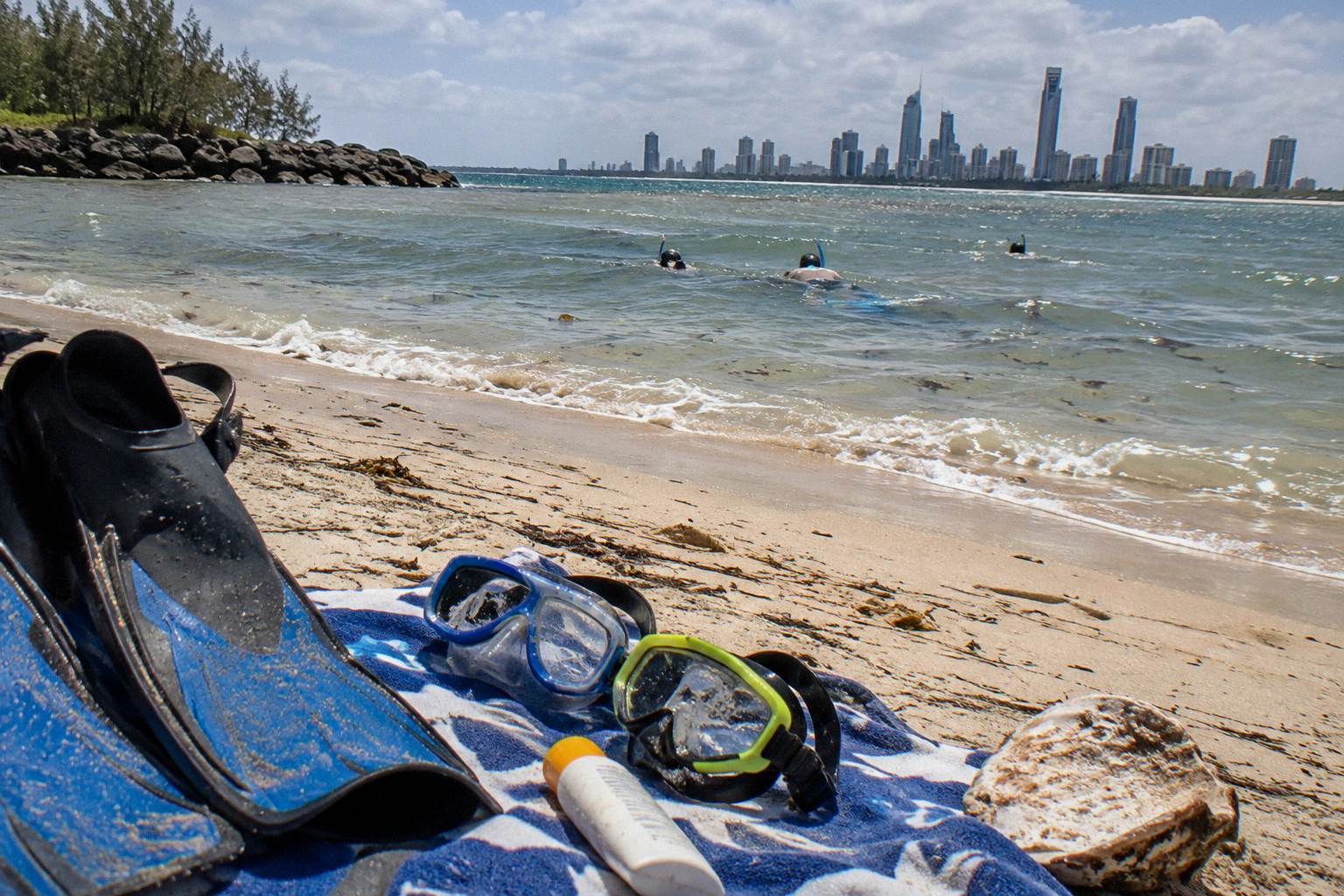
The family logic follows the water. At Wave Break Island, Seaway Kayaking Tours takes children from age 4 with an adult, puts life jackets on everyone in the water and asks for no prior experience, so the kit list for a four-year-old is swimmers, a towel and a parent. At Cook Island, the stakes are open water: Blue Seafaris wants children to be at least 7, swimming-capable and accompanied, and supplies the wetsuit; Watersports Guru takes children from 6 to 14 with an adult and includes the full gear set. The operator pages state these rules precisely, and the family planning guide at snorkelling on the Gold Coast with kids lines them up side by side.
Blue Seafaris' operator page carries the child pricing in the open: the operator's own price is A$139 per adult and A$119 per child under 12. That is the operator's price in the operator's currency, separate from the US$ booking-page figure, and the two are never mixed. Gear is included for both price tiers, so the family kit budget is sunscreen and hats, not suits and fins.
For the smallest would-be snorkellers, the honest answer is that the tours covered here bottom out at age 4, and the Wave Break Island kayak model is the one built for that end of the range. The sheltered Broadwater, the life-jacket-in-the-water policy and the short session length do the work that a wetsuit cannot, and the bushwalk to the snorkel site gives restless children a job on the way.
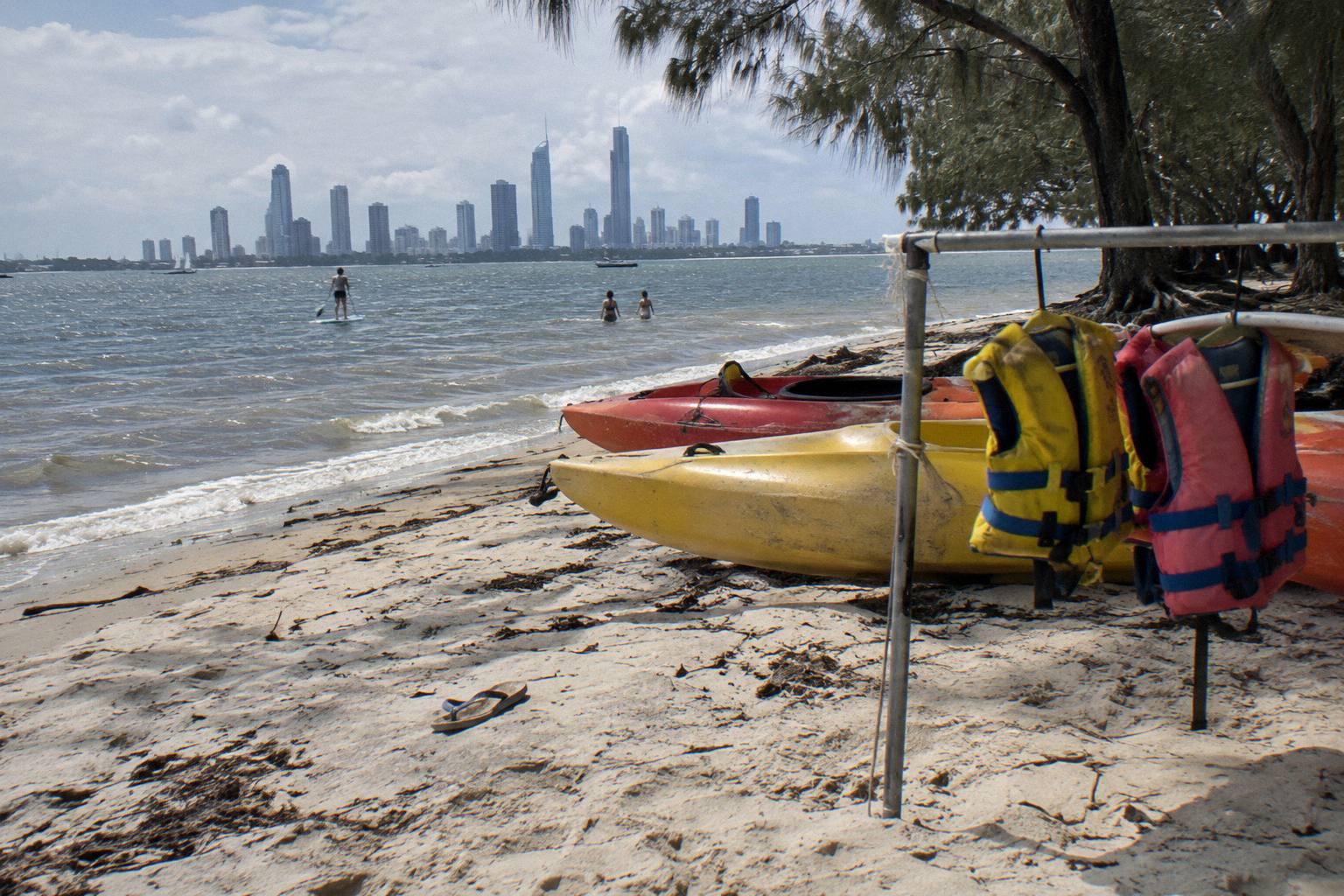
A final practical note on fit. Wetsuits and life jackets only work when they fit, and children between sizes are the usual victims: a suit that is too big floods and chafes, and a jacket that is too big rides up over the swimmer's head. The operators fit gear on the day, and the parent's job is simply to say the child's size honestly rather than optimistically. For the operator's own take on the day, the Blue Seafaris turtle tour page and the Watersports Guru snorkel page both publish their gear and eligibility details, and both are worth a read before you pack for a family of mixed ages and swimming abilities.
Gold Coast Snorkelling Tours covers each of them in detail elsewhere on the site, and every booking-page listing carries free cancellation up to 24 hours in advance for a full refund, so a kit-list question never has to hold up a booking. Check availability on the option that matches your swimmers, and pack light.
Common Questions About What To Wear Snorkelling On The Gold Coast
Do I Need A Wetsuit To Snorkel On The Gold Coast?
Usually not your own. Blue Seafaris and Watersports Guru both include a wetsuit in the tour price, and the kayak tours supply life jackets instead. Typical sea temperatures run about 22 degrees in winter and about 26 to 27 in summer, so in the warmest months many snorkellers skip the suit and use a rash shirt for sun cover.
What Should I Wear Snorkelling On The Gold Coast?
Swimmers as the base layer, plus a hat, sunglasses and reef-safe sunscreen for the boat and the beach. The operators' own lists add a towel, camera and water, and Watersports Guru adds snacks without bananas and an optional motion-sickness remedy. Everything needed in the water is supplied or listed by the tour you book.
Do Gold Coast Snorkel Tours Provide The Gear?
Mostly yes. Watersports Guru includes snorkel equipment, wetsuit, mask, fins, lifejacket and flotation device; Blue Seafaris includes premium mask, snorkel, fins and wetsuit plus a marine biologist guide. The Wave Break Island kayak tours supply life jackets, and Cooly Eco Adventures and See Moreton publish no gear list, so confirm on the listing.
Is A Rash Shirt Enough Instead Of A Wetsuit?
On a warm summer day, for a short session, often yes: February's typical average is about 27.2 degrees. For the longer water sessions, Watersports Guru's 60 to 90 minutes in the water and Blue Seafaris' 120-minute tour, the supplied wetsuit is the safer choice, and it doubles as sun protection for your back and shoulders.
Should I Bring My Own Mask And Snorkel?
If you own a mask that fits your face, bring it, because a leaking mask is the most common cause of a miserable first snorkel. Fins and wetsuits are bulky and supplied by the include-everything tours, so the case for flying with them is weak. No covered operator names a gear brand or gives fin-size advice.
What Should Kids Wear Snorkelling On The Gold Coast?
The same as adults: swimmers, hat and sunscreen, with the operator supplying the life jacket or wetsuit in a child size. Age minimums differ by operator, from 4 at Seaway Kayaking Tours to 6 at Watersports Guru and 7 at Blue Seafaris, so the tour choice, not the wardrobe, is the real planning decision for families.